
Final New Construction Inspection
TREC Home Inspection • Substantially Complete New Home • Before Closing
An independent TREC home inspection performed for the buyer once a newly built home is substantially complete and before closing. It's the same inspection type as a standard purchase inspection — applied to a new build. The goal is the same one I bring to every phase of new construction: help build a better house.
Schedule OnlineCall 713-324-7777
When it occurs
Schedule once construction is substantially complete — major systems installed, finishes in place, and the home ready for a walk-through inspection — and before closing. If you're unsure whether the home is at that stage, tell me where the build stands and I can help confirm timing.
Why schedule one
A new house is a complex product, assembled in the field by many different trades — framing, plumbing, electrical, HVAC, doors and windows, exterior finishes, and more. Being new doesn't mean every one of those installations is complete and correct; items can be incomplete, damaged, improperly installed, or simply missed. A final inspection gives you an independent look at the completed home — how systems are installed, how components operate, and whether conditions meet TREC Standards of Practice — while there's still time to address findings with the builder before closing.
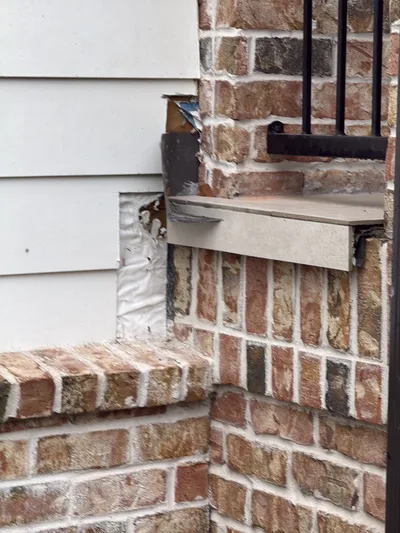
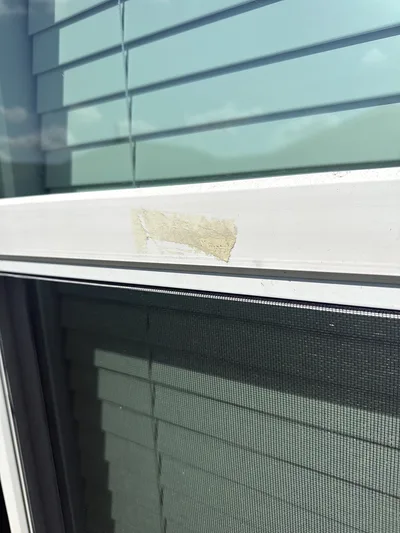
Examples from actual final inspections
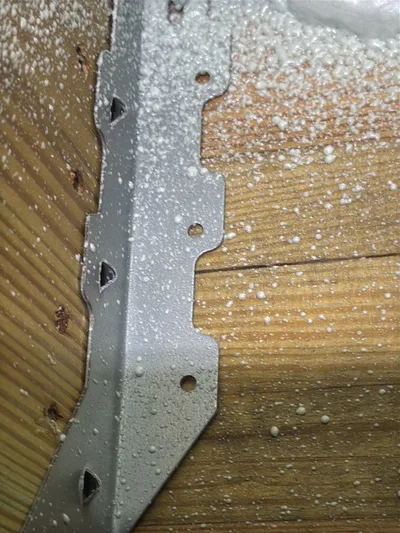
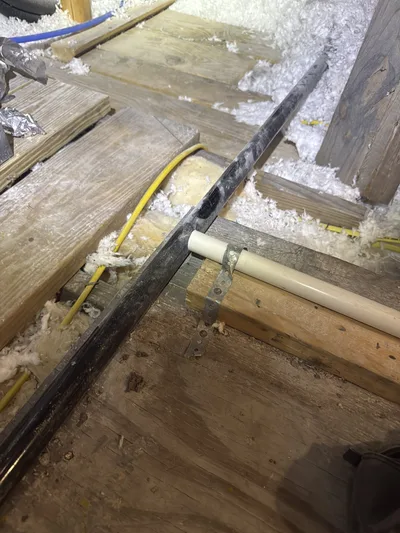
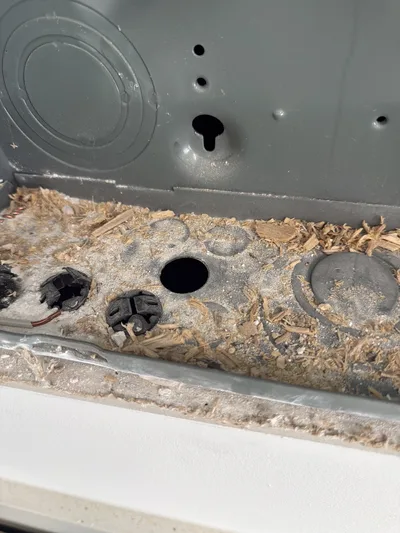
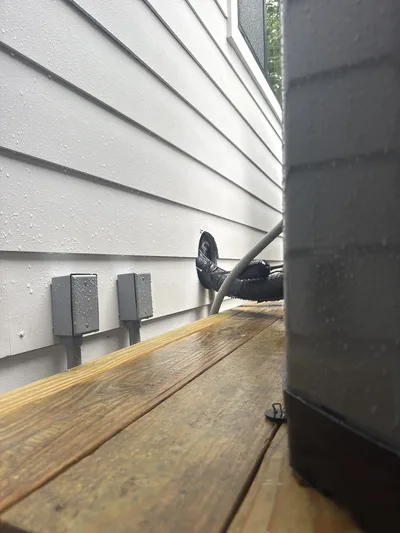
A few conditions from final inspections I've performed on newly built homes — the kind of thing that's easy to miss without a dedicated, independent look at the finished product.
What's inspected
A comprehensive inspection performed to Texas Real Estate Commission (TREC) Standards of Practice. I evaluate major visible and accessible systems and components — structure, electrical, plumbing, mechanical (HVAC), appliances, and more — so you understand the home's condition and real-world tradeoffs.
Report and process
- Clear, plain-English findings and priorities
- Digital report delivery (same-day on most inspections)
- Time to walk the property and ask questions
- Photos that support key findings
- Direct access to the inspector who performed the inspection
Corrections and closing
My role is straightforward:
- Inspect the home
- Document findings in a TREC report
- You or your Realtor work with the builder regarding corrections
- I can reinspect if requested
I do not:
- Administer the builder's punch list
- Manage the builder
- Direct repairs
- Supervise corrections
- Control whether or when the builder makes corrections
Corrections are made by the builder or their contractors. I identify and document conditions; I do not perform corrections.
Pricing
A final new construction inspection uses the standard home-inspection pricing model — same as any TREC purchase inspection. See inspection pricing for how quotes are calculated.
← New construction inspections overview · Pre-pour inspection · Pre-drywall inspection · 11-month warranty inspection
FAQs
When should I schedule a final new construction inspection?
Once the home is substantially complete and before closing. The builder should have finished major construction so major systems and components are installed and accessible for inspection.
How does the inspection report relate to builder corrections?
I inspect, document findings in a TREC report, and you or your Realtor work with the builder on corrections. I can reinspect if requested. I do not administer the builder's punch list, manage the builder, direct repairs, supervise corrections, or control whether or when the builder makes corrections.
Is a final new construction inspection different from a regular home inspection?
It's the same type of inspection — a TREC Standards of Practice home inspection — performed on a newly built home rather than an existing one. Pricing follows the same model as other home inspections.