
Pre-Pour Inspection
Foundation Phase Inspection • Before Concrete Placement
Checks foundation forms, rebar placement, plumbing penetrations, and grading before concrete is poured. The goal is to catch issues while they're still straightforward to fix — before the slab locks everything in place.
Schedule OnlineCall 713-324-7777
When it occurs
Timing: before the slab is poured — after foundation preparation is sufficiently complete to inspect, but before concrete placement.
Pre-pour work is evaluated against applicable building codes for foundation and underground plumbing at this stage. I hold ICC R5 (Residential Combination Inspector) certification and am a TREC Professional Inspector #24271.
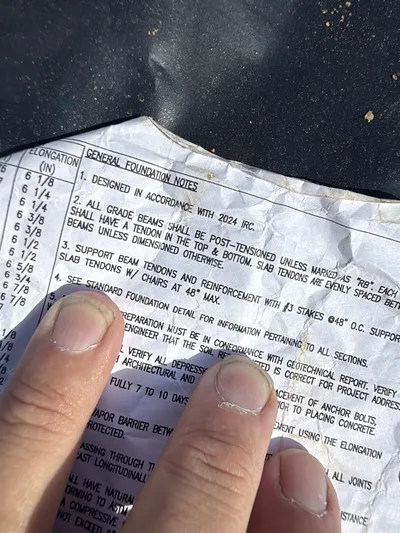
What's observable before the pour
At this stage, I can typically observe and document:
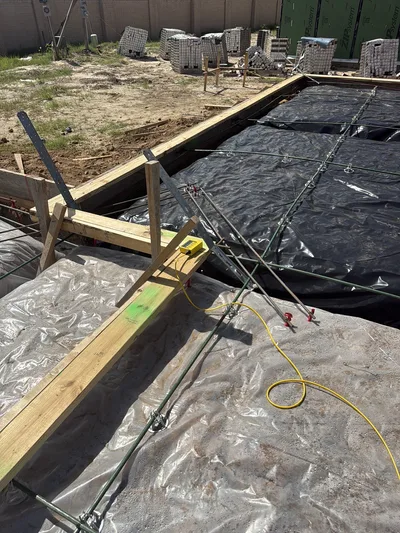
- Form placement and alignment
- Form elevation — checked with a Zip Level® before the pour, while differences can still be identified and addressed
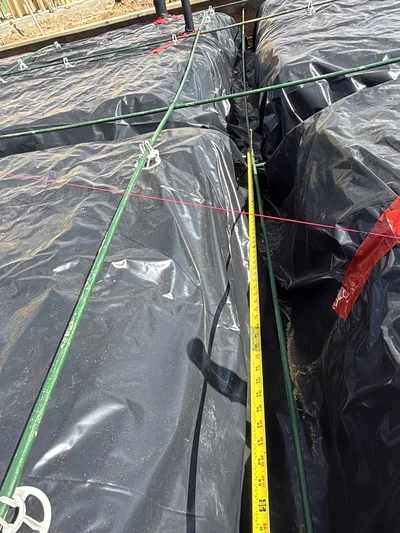
- Reinforcing steel (rebar) size, spacing, and placement
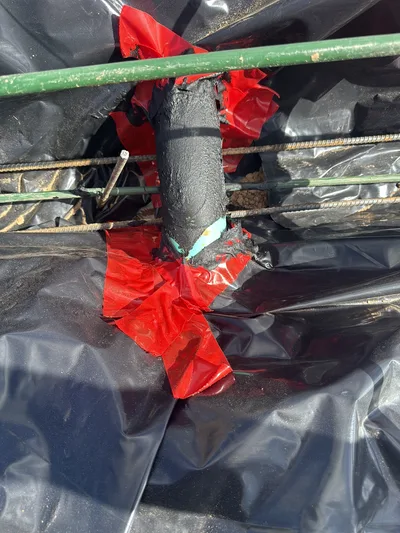
- Plumbing penetrations and stub-outs before they're buried
- Vapor/moisture barrier presence and condition, where used
- Site grading and drainage slope around the forms
- General sub-grade/soil prep conditions visible prior to the pour
What becomes concealed after concrete placement
Once concrete is placed, these conditions are no longer observable:
- Rebar position and coverage within the slab
- Condition and placement of any vapor barrier or under-slab insulation
- Under-slab plumbing runs and conduit/utility routing
- Sub-grade soil conditions directly beneath the slab
That's why timing matters — and why a pre-pour inspection is a distinct opportunity from a later phase or a final inspection.
Examples from actual pre-pour inspections
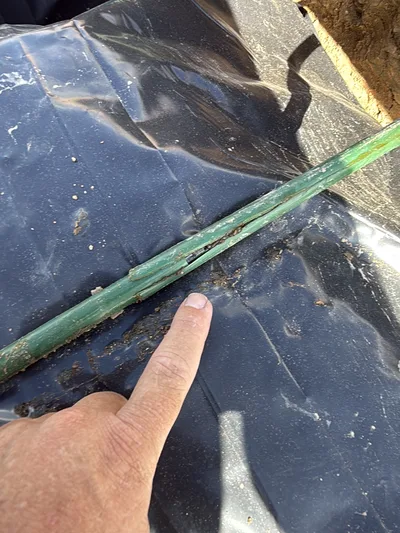
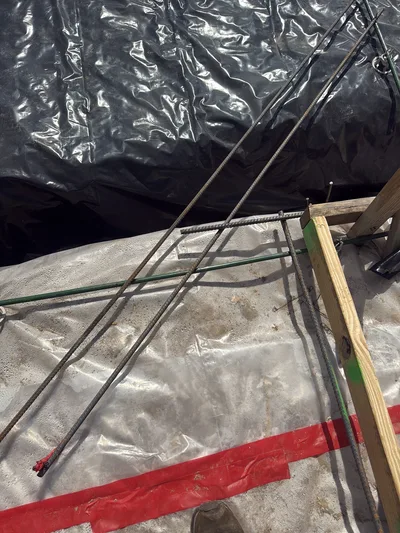
A few conditions from inspections I've performed — the kind of thing that's visible now and won't be after the pour.
Scheduling and builder coordination
The builder controls the construction schedule and tells you when the home is ready for a pre-pour inspection. You coordinate the inspection window with the builder. Contact me as soon as the builder provides that window — I need access after foundation preparation is ready but before concrete is poured.
Pricing
Pre-pour inspections use the same home-inspection pricing model — starting at $230+ for homes up to 1,500 sq ft and less than 2 years old. See inspection pricing for details.
Limitations
A pre-pour inspection is not an engineering analysis, design verification, structural certification, or code-official authority inspection. It does not guarantee future foundation performance. I document observable conditions at this stage from the buyer's perspective.
← New construction inspections overview · Pre-drywall inspection (next opportunity if you haven't had one yet)
FAQs
What is checked during a pre-pour inspection?
Pre-pour checks typically include foundation form work, rebar placement, plumbing penetrations, and grading/drainage setup before the concrete is poured.
When should a pre-pour inspection happen?
Right before the slab is poured — after the builder has forms, rebar, and plumbing in place, but before concrete goes in.